Called to Be Saints

Solemnity of All Saints


Today, in Mercy, we celebrate all those canonized and uncanonized sisters and brothers who lived their lives in Christ with gusto and fidelity.

The feast of All Saints, on its current date, is traced to the foundation by Pope Gregory III by (731–741) of an oratory in St. Peter’s for the relics “of the holy apostles and of all saints, martyrs and confessors, of all the just made perfect who are at rest throughout the world”. (Wikipedia)


I’ve personally known many of these saints, whether I fully recognized their sanctity or not. I know you have too!

They have lived in my family, school, neighborhood, parish, ministries, and workplaces. Some were clothed as nuns and some as beggars. Some taught me by words and some by silence. I knew some by name, others by grace. Now they have all joined the eternal family watching over us and cheering for us.

There they have formed communion with my more recognized and favorite holy friends like Mary, Joseph, Teresa of Avila, Catherine of Siena, Kateri Tekawitha, Anna the Prophet, John XXIII, John Lewis, Ruth Bader Ginsberg, and of course Catherine McAuley.

What a wonderful day to know that these beloveds of God are our sisters and brothers, who pray with and for us that we may one day rejoice with them in eternal light.

Who are the saints that speak especially to your heart? Take time to have a grateful conversation with them on this glorious feastday! And I would so love to see them noted in the comments so that we all may rejoice in their lives!

In the comments, you are invited to list five or six of your personal saints who blessed your life with grace. Please share if you can. I am sure this community would love to pray in thanksgiving with you for those who have so blessed your life. Here are just a few of mine:

  • Eleanor Mellon Yann
  • Jim Yann
  • Sister Mary Giovanni Wynne
  • Mother Mary Bernard Graham
  • Eunice Hunt
  • Clare Costello
  • Sister Mary Joan Thompson
  • Joe, on the heat grate at 17th and Arch
  • Every single, sweet soul at McAuley Convent who has blessed me by their faith and goodness

Music:  All Saints Day – featuring “Lifesong” by Casting Crowns (lyrics below)

Empty hands held high
Such small sacrifice
Now joined with my life
I sing in vain tonight

May the words I say
And the things I do
Make my lifesong sing
Bring a smile to you

Let my lifesong sing to you
I want to sign your name
To the end of this day

Lord let my heart wash true
Let my lifesong sing to you
Lord I give my life
A living sacrifice
To reach a world in need
To be your hands and feet

So may the words I say
And the things I do
Make my lifesong sing
Bring a smile to you

Let my lifesong sing to you
I want to sign your name
To the end of this day

Knowing that my heart was true
Let my lifesong sing to you
Hallelujah, Hallelujah let my lifesong sing to you

Hallelujah,…
Let my lifesong sing to you
I want to sign your name
To the end of this day

Knowing that my heart was true
Let my lifesong sing to you
I want to sign your name
To the end of this day
Lord led my heart was true
Let my lifesong sing to you

Psalm 111: An Attitude of Gratitude

Friday of the Thirtieth Week in Ordinary Time

October 30, 2020


Today, in God’s Lavish Mercy, we pray with Psalm 111 set in complementarity with a beautiful reading from Philippians.

The heart of both these readings is holy gratitude, that powerful spiritual gift that can completely transform our lives.


Although I have been generously blessed for my whole life, I had to learn this virtue, and I’m still learning. Its lessons are infinite, as is the God from Whom we learn them. God’s generous mercy and our humble gratitude generate the dynamic energy of our spiritual life.

A lifetime may not be long enough
to attune ourselves fully
to the harmony of the universe.
But just to become aware
that we can resonate with it —
that alone can be like
waking up from a dream.

― Brother David Steindl-Rast

Sometimes we take a lot for granted. We don’t notice. We don’t realize. We don’t savor the gift right in front of us, be it clothed in blessing or challenge.


Our readings today teach us some of the steps toward that “waking up” that Brother David describes.

  1. Prayer for those we know and love, and a generous mutuality in a community of believers:

I give thanks to my God at every remembrance of you,
praying always with joy in my every prayer for all of you,
because of your partnership for the Gospel
from the first day until now.

Philippians 1:3-5

2. Pausing to recognize that everything is God’s, and that God is bringing Creation to completion within each of our lives:

Majesty and glory are God’s work,
Whose justice endures forever.
God’s wondrous deeds have won renown;
gracious and merciful is the LORD.

Psalm 111:3-4

Certainly, it is easier to practice gratitude when we experience the fullness of God’s generosity. Eventually though, we can learn to be grateful even in times where God’s largesse may seem hidden, such as loss, change, or uncertainty. 

The continual practice of gratitude can help us find the sacred sweet point in every situation, discerning these questions

  • Where is God in this moment?
  • How is God offering me grace in this reality?

There are many other attitudes and habits that can school us in gratitude. One of the books that has changed my life is Gratefulness, the Heart of Prayer, where I learned about some of these practices. 


May we pray this for one another today:

“As we learn to give thanks for all of life and death, for all of this given world of ours, we find a deep joy. It is the joy of trust, the joy of faith in the faithfulness at the heart of all things. It is the joy of gratefulness in touch with the fullness of life.”

Brother David Steindl-Rast

Music: Give Thanks with a Grateful Heart – Dan Moen

The “Impossibler” and His Buddy

October 28, 2020

Today, in Mercy, we celebrate the feast of the Apostles Simon and Jude. Since we have reflected on Psalm 19 twice recently, I have republished a reflection on the Apostles Simon and Jude whom we honor today.

Not much is really known about either of these men. One tradition suggests that after the Ascension, they went together to carry the Gospel to Persia where they were eventually martyred.

Since we have so few facts, many legends and interpretations have grown up around these two men. Probably the strongest and most familiar of these is of St. Jude as the patron of hopeless cases.

There are probably very few of us who haven’t asked at least one favor from St. Jude in our lifetimes. This probability begs the question of why and how do we pray with the saints.

Our tradition holds that we exist in the Communion of Saints with all of God’s creatures, and that we inspire and support one another by the sharing of our lives. This sharing is not limited by time, nor is it constricted by death.

When we pray with the saints, we draw on their faithful witness to inspire, motivate and sustain us in our lives.

Today, we might pray within the spirit of these two great Christians whose witness, though historically muted, transcends time. May they inspire in us the passion and joy to speak Christ in our lives.

Music: Apostles’ Creed – sung here by Rebecca Gorzynska, a beautiful and talented artist (Latin and English text below.)

Credo in Deum Patrem omnipotentem, 
Creatorem caeli et terrae,
et in Iesum Christum, 
Filium Eius unicum, Dominum nostrum,
qui conceptus est de Spiritu Sancto, 
natus ex Maria Virgine,
passus sub Pontio Pilato, 
crucifixus, mortuus, et sepultus,
descendit ad ínferos, 
tertia die resurrexit a mortuis,
ascendit ad caelos, 
sedet ad dexteram Patris omnipotentis,
inde venturus est iudicare vivos et mortuos.
Credo in Spiritum Sanctum,
sanctam Ecclesiam catholicam, 
sanctorum communionem,
remissionem peccatorum,
carnis resurrectionem,
vitam aeternam.
Amen

I believe in God, the Father Almighty,
Creator of heaven and earth.
And in Jesus Christ, his only Son, our Lord:
who was conceived by the Holy Spirit,
born of the Virgin Mary,
suffered under Pontius Pilate,
was crucified, died, and was buried;
he descended into hell;
the third day he rose again from the dead;
he ascended into heaven;
sits at the right hand of God the Father Almighty;
from thence he shall come to judge the living and the dead.
I believe in the Holy Spirit,
the holy Catholic Church,
the communion of Saints,
the forgiveness of sins,
the resurrection of the body,
and life everlasting.
Amen. 
(Apostles’ Creed – Roman Ritual)

Psalm 1: Play Nice Together

Monday of the Thirtieth Week in Ordinary Time

October 26, 2020

2018 Reflection on the Bent-Over Woman

Click here ^


Today, in God’s Lavish Mercy, we pray with Psalm 1 which, together with our first reading from Ephesians, gives us a complete outline for moral behavior.

There are days when I feel like the world’s not doing too bad responding to that outline. But, to be honest, there are more days when I think we’re a pretty big mess. 

It may sound simplistic, I know, but why can’t we all just follow Paul’s advice and be kind?

Brothers and sisters:
Be kind to one another, compassionate,
forgiving one another as God has forgiven you in Christ.

Ephesians 4:32

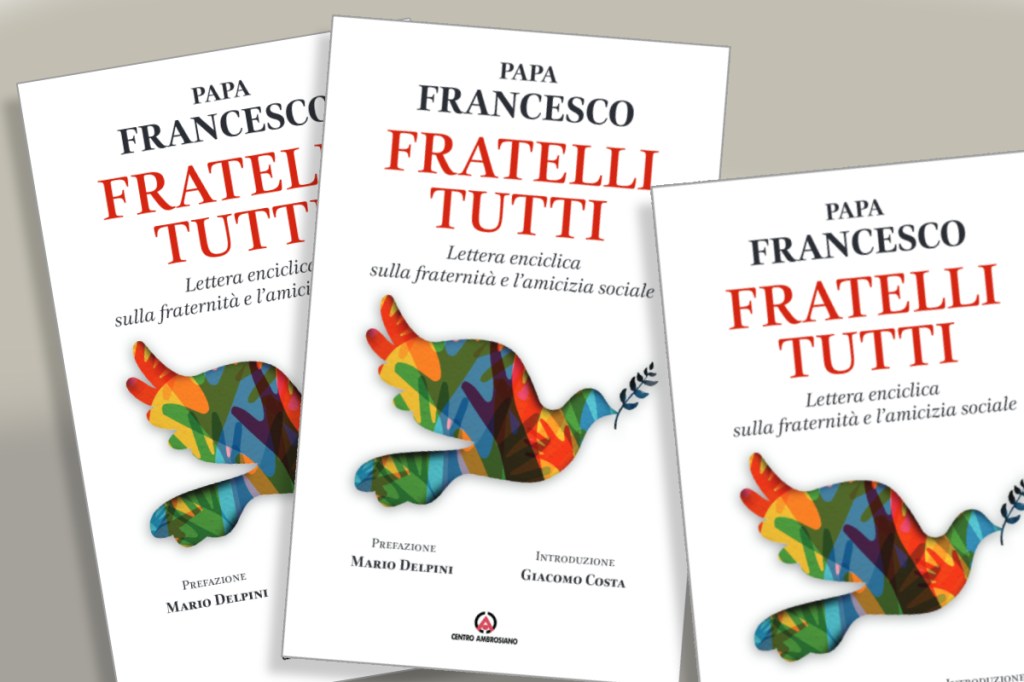
I think Pope Francis feels pretty much the same way as I do. Our reading from Ephesians could easily serve as a summary statement for Fratelli Tutti. Praying with this profound document, we can see the hope and agony of the world open before God’s Mercy, begging for healing.

(You may realize that I frequently refer to Fratelli Tutti. I believe this ground-breaking encyclical to be critically important for the future of our world. If you share my belief, you will be interested in this superb analysis written in Commonweal magazine by Austen Ivereigh.)


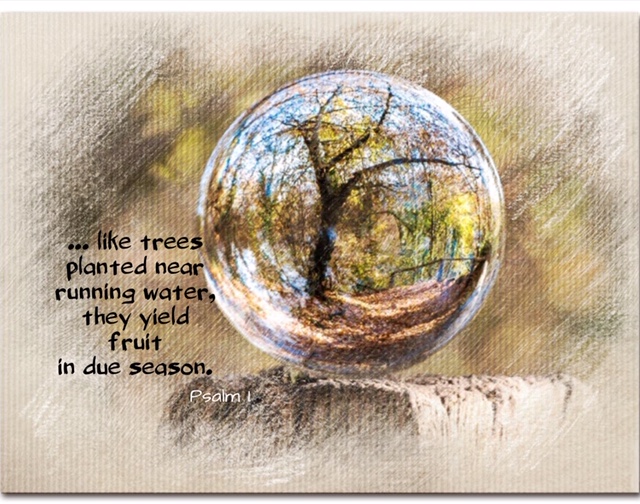
Psalm 1 gives us the peaceful picture of a person – and a world – centered on God’s loving law, the “plumb line” for holy balance in our lives. It is that same plumb line which Pope Francis drops for us in Fratelli Tutti.

Blessed the one who follows not
the counsel of the wicked
Nor walks in the way of sinners,
nor sits in the company of the insolent,
But delights in the law of the LORD
and meditates on God’s law day and night.

Not so the wicked, not so;
they are like chaff which the wind drives away.
For the LORD watches over the way of the just,
but the way of the wicked vanishes.

Psalm 1

Poetry: A thought from Confucius:

If there is righteousness in the heart, 
there will be beauty in the character.

If there is beauty in the character, 
there will be harmony in the home.

If there is harmony in the home, 
there will be order in the nations.

When there is order in the nations, 
there will peace in the world.

Music: Blessed Be the Tie – Sara Groves remasters an enduring hymn on Ephesians 4:32. The original was written in 1782 by Baptist theologian John Fawcett

You for a father’s throne
We pour our art in prayer
Our fears and hopes are one
Out comforts and our cares

Blessed be the tie
That binds our hearts
In Christian love
We share each other’s walls
Our common burdens bear
And love for each other
The sympathizing tear

Blessed be the tie
That binds our hearts
In Christian love
Blessed be the tie
That binds our hearts
In Christian love
Oh, kindred heart

It’s like heaven above
It’s like heaven
Oh, kindred heart
It’s like heaven above
It’s like heaven

Blessed be the tie
That binds our hearts
In Christian love, oh
Blessed be the tie
That binds our hearts
In Christian love

Ten Years Ago – Oh, What a Night!

Tuesday of the Twenty-ninth Week in Ordinary Time

October 20, 2020

Today, in God’s Lavish Mercy, we pray with Psalm 85. But I need to tell you the truth. My mind will go only one place this morning, so that’s where my prayer needs to go too. Happily, parts of Psalm 85 will go there with me!


On a mid-October Monday ten years ago, I had the biggest night of my life! It was a night bursting with joy, gratitude, wonder, delight, amazement, hope and love. 

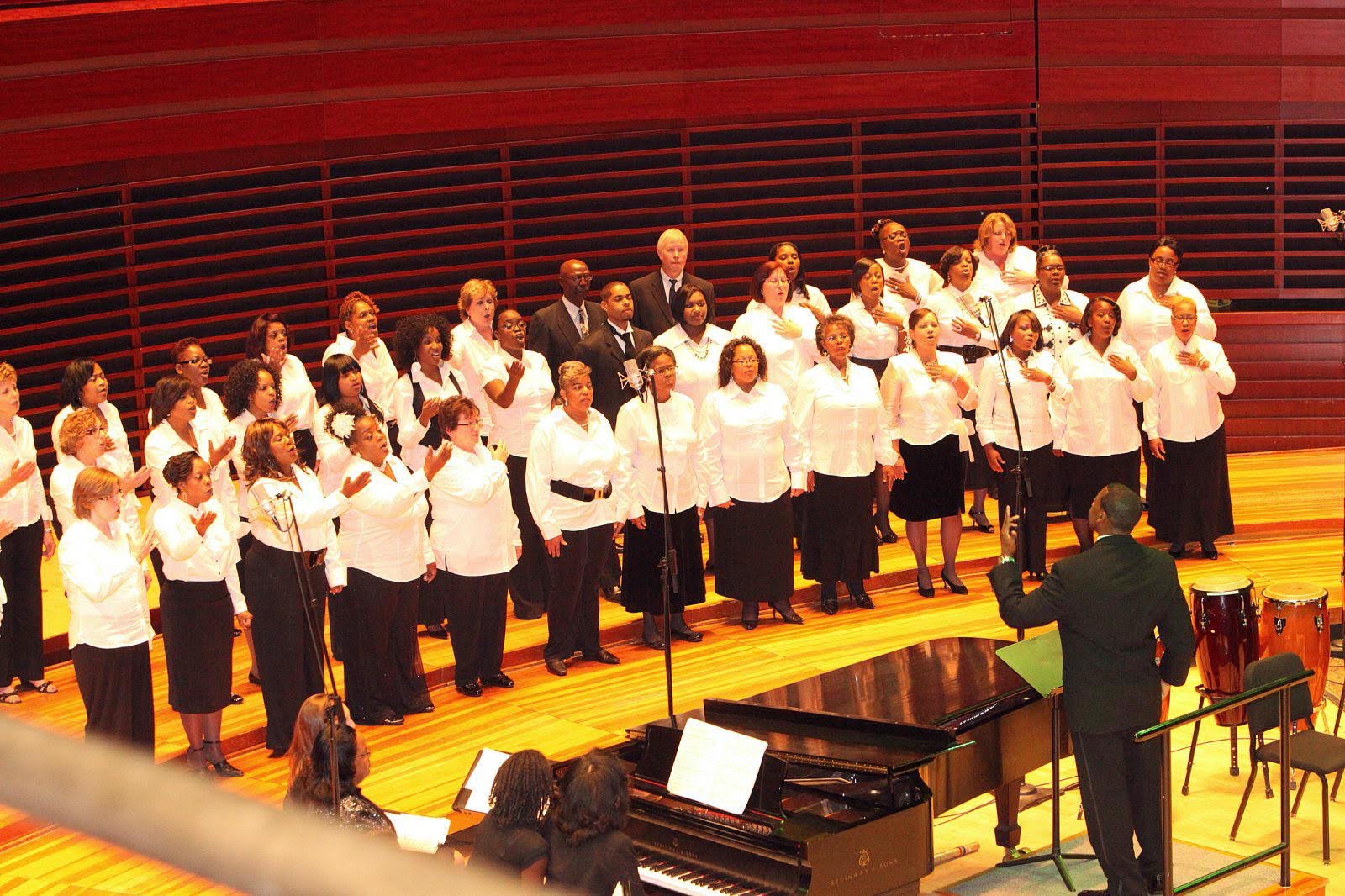
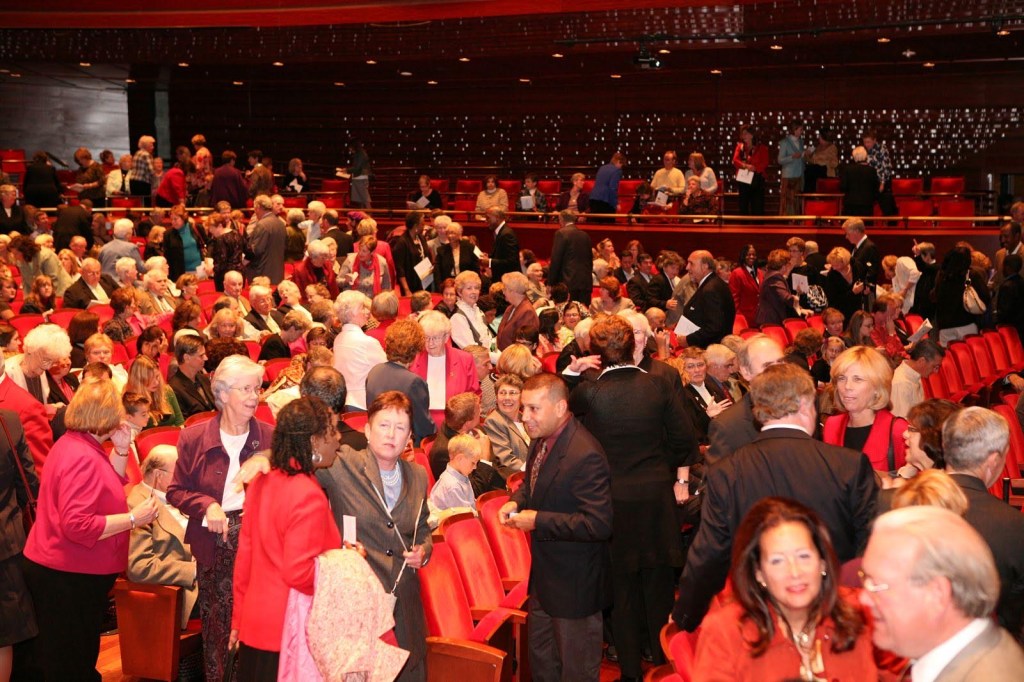
On that night, October 18, 2010, the Sisters of Mercy, and our Mercy Family, celebrated the 150th Anniversary of our Philadelphia Foundation. And we did it in grand fashion with an unforgettable concert at the Kimmel Center!

Musicians, dancers, and artists from our many Mercy ministries pooled their talents in a festival of song. Creative gifts from sewing to carpentry helped weave the story into beautiful unity.

The magnificent Kimmel organ gladly responded to the artistry of Sister Marie Ann Ellmer. And that polished Steinway sang out “Mi Mancherai” under the virtuoso touch of Ms. Karen Benedetti.

Ms. Karen Benedetti

(I have no recording of Ms. Benedetti’s performance, but here is the composer playing his beautiful piece. She did it even more beautifully!)


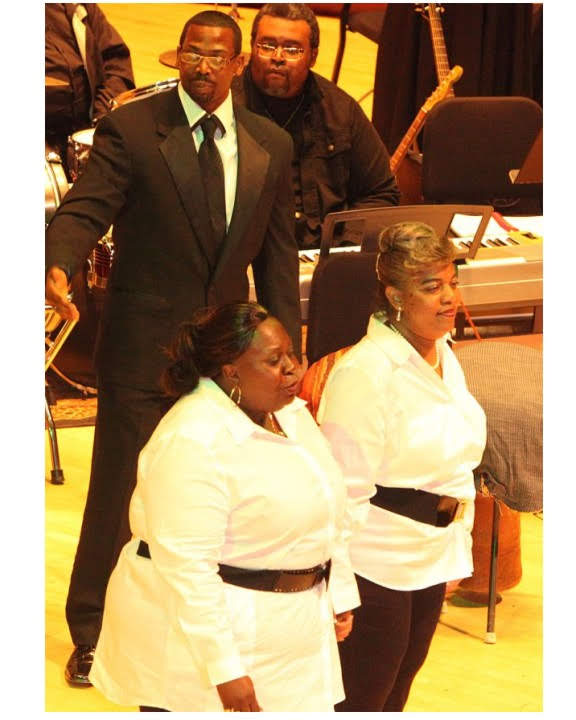
The amazing directorial talents of two Mercy Associates shaped the energy into a perfect whole.

Ms. Kimberly Baxter and Ms. Patricia Brown

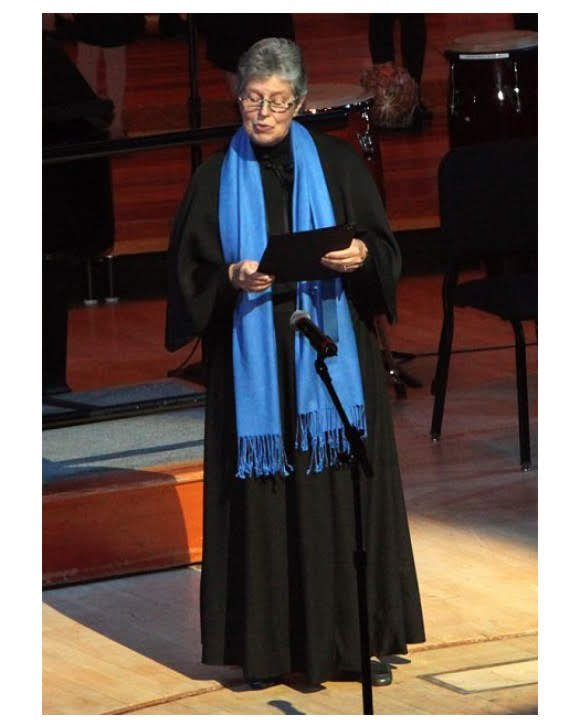
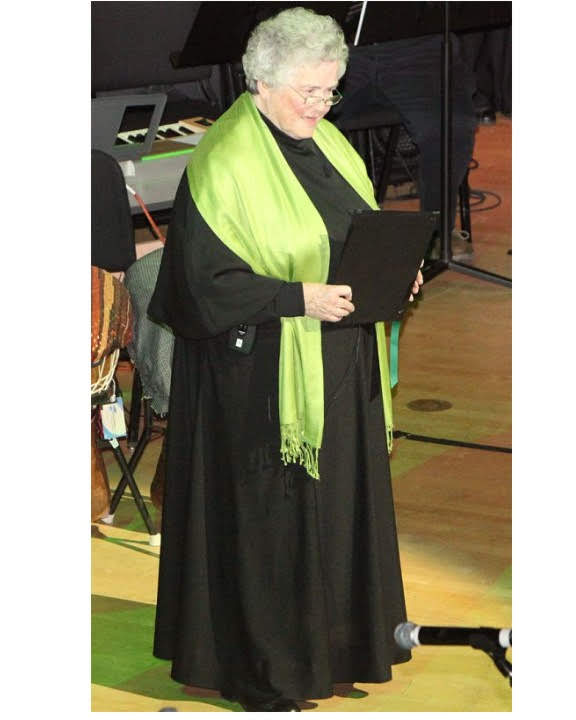
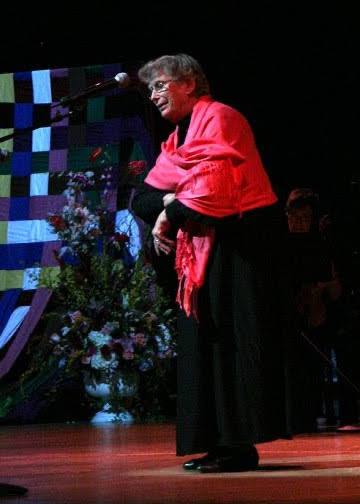
And nine graced and gifted Sisters spoke the sacred story with the fullness of their beautiful Mercy hearts.

I know many of my readers were in attendance and have their own echoing remembrances of that glorious night.

I can share only a few tidbits of memory here. But you may enjoy praying with some of these thoughts where, for me this morning:

Mercy and truth meet;
justice and peace kiss.
Beauty springs out of the earth,
and Love gazes from heaven.

Psalm 85: 11-12

In a creative effort, the following are inspirations we thought the original founders might offer the Sisters of Mercy and Mercy Family, if they were speaking to us today:


We clearly knew and trusted 
that the dream in us
was God’s dream
for wounded world.

Mother Patricia Waldron
Played by Mimi Connor, RSM


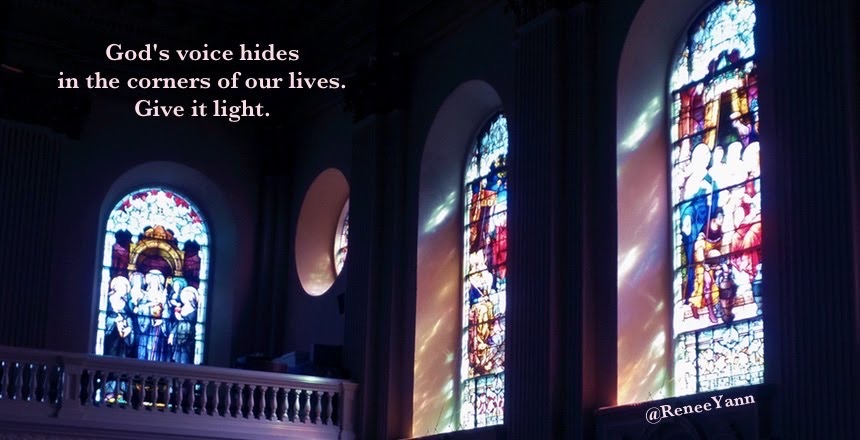
We heard God’s Voice
and held God’s hand
and we stepped out in faith
to do the work of love.

Sister Marie Madeleine Matthey-Doret
Played by Suzanne Neisser, RSM


The care of the sick
was a ministry I loved.
I dispensed it with every tenderness
knowing that I tended
the wounds of Christ.

Sister Mary Philomena Hughes
Played by Mary Hentz, RSM


You have shaped the Word of Mercy
so that it can be heard
by the rainbow of God’s People
throughout the earth.
And it has returned to you
twice blessed
by their humble, loving welcome.

Sister Mary Francis de Sales Geraghty
Played by Mary Klock, RSM


Our hope is just to know
that someone speaks your Name
in Mercy and justice,
and will return to speak it once again.

Sister Mary Ann Coveney
played by Diane Guerin, RSM


It was our joy
to find the waiting face of Christ
among the poor.

Sister Mary Rose Davies
Played by Marie Carolyn Levand, RSM


It is through prayer
that we grow eternally young
even as we age.
It is through prayer
that we can transcend our burdens
and are enfolded in the
Providence of God.
In prayer, we become free.
In prayer, we become whole.

Sister Mary Angela Curtin
Played by Connie Haughton, RSM


Through the years,
I have seen you embrace
the misunderstood and the vulnerable.
I know that in the mysterious way of God,
you have found great joy in that embrace.

Sister Mary Veronica O’Reilly
Played by Eileen Sizer, RSM


My soul was deep like the midnight sky.
But stars blazed from my depths
to lead others to holiness.

Mother Mary Gertrude Dowling
Played by Kathleen Mary Long, RSM


Music: The Circle of Mercy – Jeanette Goglia, RSM
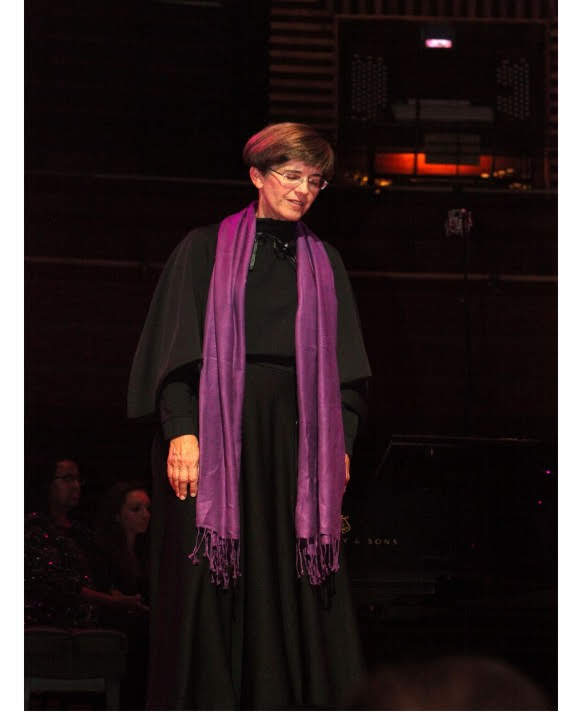
(the Maestro is visible above conducting from the central platform.)

Psalm 96: A New Song

Twenty-ninth Sunday in Ordinary Time

October 18, 2020

Today, in God’s Lavish Mercy, we pray with Psalm 96, one of the “royal psalms” praising God as King.

Bow down to the LORD, splendid in holiness.
Tremble before God, all the earth;
declare among the nations: The LORD is King.
The world will surely stand fast, 
never to be shaken.
The Lord rules the peoples with fairness.

Psalm 96: 9-10

Our psalm today forms a link between two readings about two different kinds of human kings.

In our first reading, we hear about King Cyrus, an “anointed” one:

Thus says the LORD to his anointed, Cyrus,
whose right hand I grasp,
subduing nations before him …

Isaiah 45;1

In fact, Cyrus the Great respected the customs and religions of the lands he conquered. This became a very successful model for centralized administration and establishing a government working to the advantage and profit of its subjects. Israel thrived under Cyrus and found no barriers to their own religious practices


In our Gospel, however, the Pharisees try to trap Jesus by testing him about their current political leadership, which is not so kindly inclined to the people:

Tell us, then, what is your opinion:
Is it lawful to pay the census tax to Caesar or not?

Matthew 22:17

Jesus’s answer pretty much tells to Pharisees to obey the legitimate law. But that answer is secondary to his real challenge to them:

Why are you testing me, you hypocrites?


Our psalm is the praise song of a people who do not “test” God; who receive both the blessings and trials of life with faith and hope, and seek the path to God within those circumstances.

A “Cyrus” builds up that holy courage in the people. A “Caesar” only builds up himself.


In his letter to the Thessalonians, Paul shows himself to be such an “anointed” leader, praying for and encouraging the Church in the journey of faith:

We give thanks to God always for all of you,
remembering you in our prayers,
unceasingly calling to mind your work of faith and labor of love
and endurance in hope of our Lord Jesus Christ,
before our God and Father …


Today, there’s a lot of politics swirling in the wind – a lot of discerning about leadership and our own brand of “kings”. The current sufferings of our time cause our hearts to long for “a new song”.

The readings today remind me that the only way our spirits can …

Sing to the LORD a new song;
sing to the LORD, all you lands.
Tell God’s glory among the nations;
among all peoples, God’s wondrous deeds

… is by living Paul’s formula – “to live our lives as a work of faith and labor of love and endurance in hope of our Lord Jesus Christ.


:Sing a New Song – Brooklyn Tabernacle Choir

Psalm 27: Seek God’s Face

Memorial of Saint Thérèse of the Child Jesus, Virgin and Doctor of the Church

October 1, 2020

Today, in God’s Lavish Mercy, we pray with Psalm 27 – and gosh, did I need it!

I believe that I shall see the bounty of the LORD
in the land of the living.
Wait for the LORD with courage;
be stouthearted, and wait for the LORD.

I woke up this morning still half sick from watching last night’s “debate”. I fully agree with this estimation from Jon Meacham:


“No hyperbole: The incumbent’s behavior this evening
is the lowest moment in the history of the presidency
since Andrew Johnson’s racist state papers.”


(Jon Meacham, the 2009 Pulitzer Prize for Biography for American Lion: Andrew Jackson in the White House. Meacham holds the Carolyn T. and Robert M. Rogers Endowed Chair in American Presidency at Vanderbilt University)


I care about how my country’s leadership has degenerated. I care about how that collapse affects all of our lives especially poor, sick, and marginalized persons. It is painful to witness a situation where leadership suffers from an egregious forfeiture of responsibility and care for anything but its own self-interests.

It’s very hard to find prayer’s central clarity
when a dysfunctional world spins around us.
I asked myself today,:
“Can Psalm 27 help me?
Can the Little Flower shed some light for me?”.


Psalm 27 is a prayer that moves from relentless hope to deeply rooted faith. It is a remedy I crave.

Hear my voice, LORD, when I call;
have mercy on me and answer me.
“Come,” says my heart, “seek God’s face”;
your face, LORD, do I seek!


Walter Brueggemann places great emphasis on verse 27:3 and the particular word “though”….

Though an army encamp against me,
my heart does not fear;
Though war be waged against me,
even then do I trust.

Bruggemann says this:

I suggest that the psalm pivots in verse 3 on the word “though,” which is an act of defiance. It is a bold and brave “nevertheless, notwithstanding”…
… This “though” is a well-grounded, adamant refusal to participate in the anxiety that is all around.


St. Thérèse of Lisieux wasn’t into “politics” as we commonly define the term. But her life in the abbey presented a good deal of human “politics” which challenged her spiritual growth. Here are a few quotes that I plan to pray with today to invite their blessings on my own anxieties, and to listen for where they might call me to hope, trust and faith, as well as productive, not fretful, action. You might like to do the same.

My whole strength lies in prayer and sacrifice, these are my invincible arms; they can move hearts far better than words, I know it by experience. 
― The Little Way for Everyone Day: Thoughts from Thérèse of Lisieux

Joy is not found in the things which surround us, but lives only in the soul. 
― The Story of a Soul: The Autobiography of St. Thérèse of Lisieux

It is wrong to pass one’s time in fretting, instead of sleeping on the Heart of Jesus. 
― ibid.


In place of a poem today, this tidbit about Psalm 27 from Pope John Paul II:

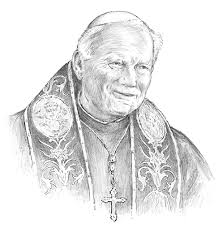
The faithful know that being consistent creates ostracism and even provokes 
contempt and hostility in a society that often chooses to live under the banner 
of personal prestige, ostentatious success, wealth, unbridled enjoyment. 
They are not alone, however, and preserve a surprising interior peace in their hearts because, as the marvellous “antiphon” that opens the Psalm says, 
“the Lord is light and salvation… the stronghold of life” (cf. Ps 27: 1) of the just. 
He continuously repeats: “Whom shall I fear?”, “Of whom shall I be afraid?”, 
“My heart shall not fear”, “Yet I will trust” (cf. vv. 1, 3).
JOHN PAUL II- GENERAL AUDIENCE
Wednesday, 21 April 2004

Music: The Lord is My Light and My Salvation – Haas and Haugen 

Refrain: The Lord is my light and my salvation, of whom shall I be afraid?

The Lord is my light and my help; whom should I fear?The Lord is the stronghold of my life; before whom should I shrink?

There is one thing I ask of the Lord; for this I long;
to live in the house of the Lord all the days of my life.

I believe I shall see the goodness of the Lord, in the land of the living;
hope in him and take heart, hope in the Lord!

Psalm 103: Be Like God

Twenty-fourth Sunday in Ordinary Time

Sunday, September 13, 2020

Today, in God’s Lavish Mercy, we pray with Psalm 103, and its gentle comforting refrain:

The Lord is kind and merciful, 
slow to anger, and rich in compassion.


Our Sunday readings encourage to become like this merciful, forgiving, patient, compassionate Lord.

I’m not doing so well at that. Anybody else with me? Sometimes I feel like we’re living in a desert devoid of humanness and reverence.

Somehow, in our current political and cultural environment, too often I feel angry and even outraged. Those kinds of feelings don’t leave much room for compassion and its accompanying virtues!


Recently I witnessed two wonderful friends openly spat on social media because of their opposing political camps. I’ve seen family members shut each other out for the same reasons. We can’t turn on the TV without seeing a barrage of hateful words and actions unleashed against other human beings.

I feel poisoned and sick when I see the culture we have brewed for ourselves!


In our first reading, Sirach seems to have felt pretty sickened by his environment too. He counsels his listeners:

Forgive your neighbor’s injustice;
then when you pray, your own sins will be forgiven.
Could anyone nourish anger against another
and expect healing from the LORD?


Paul, in our second reading, tells us why we should change our hateful behavior:

None of us lives for oneself, and no one dies for oneself.
For if we live, we live for the Lord,
and if we die, we die for the Lord;
so then, whether we live or die, we are the Lord’s.


In our Gospel, Jesus uses a stunning parable to drive home the commandment for forgiveness. I don’t think any of us really wants to end up like the selfish, wicked servant – handed over to the torture of our own hatreds.

This Sunday’s readings are serious. They’re not kidding. We have to change any sinful incivility or hate that resides in our hearts. We may not be able to change our feelings. But we can stop feeding them with lies, propaganda, and conspiracy theories.

What we can change are our actions and words. And we must.


Poetry: Love my enemies, enemy my love by Rebecca Seiferle

Oh, we fear our enemy’s mind, the shape
in his thought that resembles the cripple
in our own, for it’s not just his fear
we fear, but his love and his paradise
.
We fear he will deprive us of our peace
of mind, and, fearing this, are thus deprived,
so we must go to war, to be free of this
terror, this unremitting fear, that he might

he might, he might. Oh it’s hard to say
what he might do or feel or think.
Except all that we cannot bear of
feeling or thinking—so his might

must be met with might of armor
and of intent—informed by all the hunker
down within the bunker of ourselves.
How does he love? and eat? and drink?

He must be all strategy or some sick lie.
How can reason unlock such a door,
for we bar it too with friends and lovers,
in waking hours, on ordinary days?

Finding the other so senseless and unknown,
we go to war to feel free of the fear
of our own minds, and so come
to ruin in our hearts of ordinary days.

Music: Kyrie Eleison – Lord, have Mercy

This is an extended, meditative singing of the prayer. I like to listen to it in the very early morning. Just doing that is a good prayer for me.

Psalm 5: Bless Our Work

Monday of the Twenty-third Week in Ordinary Time

Monday, September 7, 2020

Today, in God’s Lavish Mercy, we pray with Psalm 5. It seems to me a good prayer for Labor Day which we celebrate today in the United States.

Psalm 5 is the prayer of an upright person seeking God’s justice and protection in order to live in God’s favor.

Then all who trust in you will be glad
and forever shout for joy.
You will protect them and those will rejoice in you
who love your name.
For you, LORD, bless the just ones;
surrounding them with favor like a shield.

The U.S labor movement grew out of similar desires for protection and justice. The inequities and hardships experienced by laborers at the turn of the 19th century led to protests and changes. These are recognized and celebrated on Labor Day.


Catholic social teaching, beginning with Pope Leo XIII’s encyclical Rerum Novarum (“On the Condition of Labor”), has a long history of support for labor and unions.

“The most lasting effect of Rerum Novarum to Catholic social teaching was its approval of labor unions. Pope Leo observed that employers would not necessarily act in the best interests of their employees. Therefore, workers “must form associations among themselves and unite their forces so as to shake off courageously the yoke of so unrighteous and intolerable an oppression.” His hope was that social harmony would emerge as the three – employers, workers, and government – worked together: “Capital cannot do without labor, nor labor without capital. Mutual agreement results in pleasantness and good order; perpetual conflict necessarily produces confusion and outrage.” (Website: Diocese of Harrisburg)


Today, as we pray Psalm 5:

  • Let’s remember that all labor is a gift of participation in God’s continual act of Creation
  • Let’s be conscious of all those throughout the world whose labor is exploited. 
  • Let’s pray for all those unable to work for any reason, especially due to the effects of COVID 19.
  • Let’s give thanks for the labor of all our brothers and sisters which contribute to our wellbeing and happiness.
  • Let’s take time today to recognize the joy and blessings of our own labors throughout our lives.
  • And let’s ask ourselves these most important questions:

Why do I work?
What do I hope for as the fruit of my labors?

Our answers will tell us much about who we really are.


Poetry: What Work Is– Philip Levine

We stand in the rain in a long line
waiting at Ford Highland Park. For work.
You know what work is—if you’re
old enough to read this you know what
work is, although you may not do it.
Forget you. This is about waiting,
shifting from one foot to another.
Feeling the light rain falling like mist
into your hair, blurring your vision
until you think you see your own brother
ahead of you, maybe ten places.
You rub your glasses with your fingers,
and of course it’s someone else’s brother,
narrower across the shoulders than
yours but with the same sad slouch, the grin
that does not hide the stubbornness,
the sad refusal to give in to
rain, to the hours of wasted waiting,
to the knowledge that somewhere ahead
a man is waiting who will say, “No,
we’re not hiring today,” for any
reason he wants. You love your brother,
now suddenly you can hardly stand
the love flooding you for your brother,
who’s not beside you or behind or
ahead because he’s home trying to   
sleep off a miserable night shift
at Cadillac so he can get up
before noon to study his German.
Works eight hours a night so he can sing
Wagner, the opera you hate most,
the worst music ever invented.
How long has it been since you told him
you loved him, held his wide shoulders,
opened your eyes wide and said those words,
and maybe kissed his cheek? You’ve never
done something so simple, so obvious,
not because you’re too young or too dumb,
not because you’re jealous or even mean
or incapable of crying in
the presence of another man, no,   
just because you don’t know what work is.

Music: Bread and Roses – Joan Baez

( Bread and Roses” is a political slogan well as the name of an associated poem and song. It originated from a speech given by American women’s suffrage activist Helen Todd; a line in that speech about “bread for all, and roses too” inspired the title of the poem Bread and Roses by James Oppenheim. The poem was first published in December 1911, with the attribution line “‘Bread for all, and Roses, too’—a slogan of the women in the West.” The poem has been translated into other languages and has been set to music by at least three composers.
The phrase is commonly associated with the successful textile strike in Massachusetts between January and March 1912, now often referred to as the “Bread and Roses strike”. The slogan pairing bread and roses, appealing for both fair wages and dignified conditions, found resonance as transcending “the sometimes tedious struggles for marginal economic advances” in the “light of labor struggles as based on striving for dignity and respect”, as Robert J. S. Ross wrote in 2013.)

As we go marching, marching
In the beauty of the day
A million darkened kitchens
A thousand mill lofts grey
Are touched with all the radiance
That a sudden sun discloses
For the people hear us singing
Bread and roses, bread and roses

As we go marching, marching
We battle too for men
For they are women’s children
And we mother them again
Our lives shall not be sweetened
From birth until life closes
Hearts starve as well as bodies
Give us bread, but give us roses

As we go marching, marching
We bring the greater days
For the rising of the women
Means the rising of the race
No more the drudge and idler
Ten that toil where one reposes
But the sharing of life’s glories
Bread and roses, bread and roses

Psalm 95:Hear the Voice

Twenty-third Sunday in Ordinary Time

Sunday, September 6, 2020

Today, in God’s Lavish Mercy, we pray with Psalm 95, a favorite of liturgists, and one we have met several times before. What different light might it offer us today as we pray?

The psalm today serves as a bridge between powerful readings about neighborly love and fraternal correction. These readings tell us to listen for God’s heartbeat in our world and to enter its rhythm. 

They also tell us to love our neighbor enough that, if she or he is out of synch with God’s rhythm, we help align them by our counsel and example.

Have you ever tried to do that? It’s really tough!


First of all, we have to be so vigilant about the purity of our own intentions. We can’t instruct our friends in righteousness out of our own confusion. So often, our desire for others to “improve” grows out of our opinionated self-interest. You might remember what Jesus said about extracting the plank from our own eye before removing the splinter from our neighbor’s!


Next we really have to love our sister or brother and sincerely want their good. We have to forgive them any hurt they have caused us. We have to be bigger than most of us, speaking for myself, are inclined to be.

As the psalm tells us, we can’t have hard hearts. As we approach our sister or brother, our hearts must be softened by listening, patience, understanding, humility and hope. We have to be sure the “voice” we’re sharing comes from God not self.

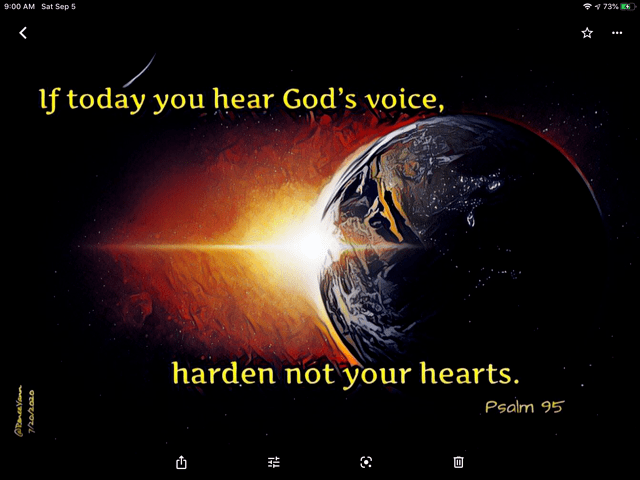
Harden not your hearts as at Meribah,
as in the day of Massah in the desert,
Where your fathers tempted me;
they tested me though they had seen my works.

And the flip of all this, of course, is that when we are the one out of rhythm, we receive loving correction in the same spirit of openness.

Lots of Grace is needed on both sides of this dance! May we learn and receive it!


Poetry: The Gift by Li-Young Lee

To pull the metal splinter from my palm
my father recited a story in a low voice.
I watched his lovely face and not the blade.
Before the story ended, he’d removed
the iron sliver I thought I’d die from.

I can’t remember the tale,
but hear his voice still, a well
of dark water, a prayer.
And I recall his hands,
two measures of tenderness
he laid against my face,
the flames of discipline
he raised above my head.

Had you entered that afternoon
you would have thought you saw a man
planting something in a boy’s palm,
a silver tear, a tiny flame.
Had you followed that boy
you would have arrived here,
where I bend over my wife’s right hand.

Look how I shave her thumbnail down
so carefully she feels no pain.
Watch as I lift the splinter out.
I was seven when my father
took my hand like this,
and I did not hold that shard
between my fingers and think,
Metal that will bury me,
christen it Little Assassin,
Ore Going Deep for My Heart.
And I did not lift up my wound and cry,
Death visited here!
I did what a child does
when he’s given something to keep.
I kissed my father.

Music: Let Me Hear Your Voice – Francesca LaRose